
Your Complete Guide to Safe & Effective Laser Hair Removal
Evidence-Based Guidelines for Optimal Results and Treatment Safety
Empowering You With Knowledge for Treatment Success
Success in laser hair removal doesn’t begin and end in the treatment room — it’s a comprehensive journey that involves careful preparation, professional treatment, and diligent aftercare. This complete treatment guideline provides you with the evidence-based protocols and professional recommendations used by leading aesthetic practices to ensure not only optimal hair reduction results but also treatment safety and skin health throughout your laser hair removal journey.
Whether you’re preparing for your first consultation or navigating between treatment sessions, these guidelines will empower you with the knowledge to become an active participant in your treatment success. From pre-treatment skin preparation and medication considerations to post-treatment care and long-term maintenance strategies, each recommendation is rooted in clinical research, dermatological expertise, and years of aesthetic practice experience.
Your safety, comfort, and satisfaction are the foundation of every protocol outlined in these guidelines. Understanding the “why” behind each recommendation transforms compliance from a chore into an empowered choice — one that maximizes your investment in smooth, hair-free skin while minimizing risks and optimizing outcomes.



PRE-TREATMENT PREPARATION GUIDELINES
The Journey to Optimal Results Begins Before Your First Treatment
4-6 WEEKS BEFORE YOUR TREATMENT
Proper preparation is essential for safe and effective laser hair removal. Follow these evidence-based guidelines to ensure the best possible treatment outcome.
Shaving vs. Waxing vs. Other Hair Removal Methods
CRITICAL TIMELINE REQUIREMENT:
- APPROVED: Continue shaving throughout treatment preparation and between sessions
- STOP IMMEDIATELY: Waxing, plucking, threading, sugaring, epilating, depilatory creams
- • MINIMUM WAITING PERIOD: 4-6 weeks after waxing/plucking before laser treatment
- • WHY IT MATTERS: Laser targets pigment (melanin) in the hair follicle. If the follicle is empty (due to waxing/plucking), there’s nothing for the laser to target
SHAVING PROTOCOL:
- • Shave treatment area 1-2 days before your appointment
- • Clean shave required — hair should be barely visible or stubble-length
- • Avoid shaving immediately before treatment (skin irritation risk)
- • Use fresh, clean razors to prevent infection
- • Apply fragrance-free moisturizer after shaving
WHY SHAVING IS REQUIRED:
The ideal scenario for laser treatment is hair follicles with intact roots beneath the skin surface, but minimal hair above the skin. Long surface hair can absorb laser energy, potentially causing burns or reducing energy delivery to the target follicle. Shaving removes surface hair while preserving the follicular root — exactly what’s needed for effective treatment.
Sun Exposure & Tanning Restrictions
ABSOLUTE REQUIREMENTS:
- NO sun exposure on treatment areas for 4-6 weeks before treatment
- NO tanning beds, spray tans, or self-tanning products
- Daily SPF 30-50 broad-spectrum sunscreen application
- Protective clothing when outdoor exposure is unavoidable
WHY SUN EXPOSURE IS PROHIBITED:
Tanned skin contains higher melanin concentration, which competes with hair follicle melanin for laser energy absorption. This creates two significant risks:
RISKS:
- REDUCED EFFICACY: Laser energy absorbed by skin melanin instead of follicle melanin, decreasing hair destruction
- INCREASED BURN RISK: Tanned skin absorbs more laser energy, dramatically increasing risk of burns, blistering, hyperpigmentation, or scarring
CLINICAL PEARL:
Patients who have been in the sun or used self-tanner may need to postpone treatment by 4-6 weeks to allow melanin levels to return to baseline. This isn’t a suggestion — it’s a safety requirement. No reputable practitioner will treat recently tanned skin.
Skin Product Restrictions (1-2 Weeks Before)
TEMPORARILY DISCONTINUE:
- Retinoids/Retinol products (Retin-A, Differin, retinol serums)
- Alpha Hydroxy Acids (AHAs): glycolic acid, lactic acid
- Beta Hydroxy Acids (BHAs): salicylic acid
- Vitamin C serums (especially high-concentration formulations)
- Benzoyl peroxide products
- Any products causing skin sensitivity, dryness, or peeling
WHY THESE PRODUCTS MUST BE PAUSED:
These active ingredients increase skin cell turnover and can thin the outer layer of skin (stratum corneum), creating a more sensitive, vulnerable skin barrier. Laser treatment on sensitized skin increases risks of burns, post-inflammatory hyperpigmentation, prolonged redness, and delayed healing.
APPROVED SKINCARE BEFORE TREATMENT:
- Gentle, fragrance-free cleansers
- Fragrance-free, non-comedogenic moisturizers
- SPF 30-50 broad-spectrum sunscreen (physical blockers preferred)
- Gentle hydrating serums (hyaluronic acid)
Medication & Supplement Considerations
Certain medications and supplements increase photosensitivity (skin’s reaction to light/laser), elevating burn risk. Alert your provider if you’re taking any of these.
ALERT YOUR PROVIDER IF YOU’RE TAKING:
ADDITIONAL SAFETY CONSIDERATIONS
Important medication and health status requirements before starting laser hair removal treatment.
Special Accutane (Isotretinoin) Note
MANDATORY WAITING PERIOD:
If you’ve taken Accutane for acne treatment, you MUST wait 6-12 months after discontinuation before laser hair removal. Accutane causes significant skin sensitivity and delayed healing that persists months after stopping the medication. Premature laser treatment can result in severe scarring.
Skin Condition & Health Status Requirements
YOU MUST INFORM YOUR PROVIDER IF YOU HAVE:
- • Active skin infections (bacterial, viral, fungal)
- • Active cold sores or history of herpes simplex in treatment area
- • Open cuts, wounds, or abrasions
- • History of keloid or hypertrophic scarring
- • Autoimmune disorders (lupus, vitiligo, etc.)
- • Pregnancy or breastfeeding
- • Recent cosmetic procedures (Botox, fillers, chemical peels)
HERPES SIMPLEX PROPHYLAXIS:
If you have a history of cold sores in the treatment area (especially upper lip/face), prophylactic antiviral medication (such as valacyclovir/Valtrex) may be prescribed starting 1-2 days before treatment and continuing for several days after. Laser treatment can trigger herpes outbreaks — prevention is far easier than treatment.
Your Treatment Experience: Safety, Comfort & Communication
Professional laser hair removal takes place in a clean, private treatment room with proper ventilation and safety equipment. Protective eyewear is NON-NEGOTIABLE — laser light can cause severe, permanent eye damage.

Cleansing & Assessment
Treatment area is cleansed and assessed. Your technician reviews medical history and verifies treatment settings.
- •Review medical history and skin assessment
- •Verify treatment area and laser settings
- •Provide protective eyewear (REQUIRED)
Test Spots & Calibration
Small test areas are treated to assess your skin’s response before proceeding with full treatment.
- •Cooling gel or built-in contact cooling applied
- •Test pulse to ensure comfortable settings
- •Adjustments based on your skin’s response
Full Treatment
Systematic treatment of entire area using overlapping passes for complete coverage.
- •Laser handpiece moved in overlapping pattern
- •Sensation: rubber band snap + warmth
- •Real-time adjustments based on comfort
Post-Treatment Application
Soothing gel or cream applied. Verbal and written aftercare guidelines provided.
- •Soothing aloe or cooling gel applied
- •Written post-care instructions provided
- •Next appointment scheduling recommended
Pain Scale by Area
Individual pain tolerance varies. Communication with your technician allows real-time adjustments.
- •LEAST SENSITIVE: Lower legs, arms, back (2-3/10)
- •MODERATE: Upper lip, chin, chest (4-5/10)
- •MOST SENSITIVE: Bikini/Brazilian, underarms (6-7/10)
THE CRITICAL FIRST 48 HOURS
Immediate Post-Treatment Care
EXPECTED RESPONSES (24-48 HOURS)
- •Redness/Erythema: Mild to moderate pinkness in treatment area
- •Warmth: Skin may feel warm or slightly tender (like mild sunburn)
- •Swelling: Mild puffiness around follicles, especially in sensitive areas
- •"Pepperspotting": Small raised bumps around follicles (perifollicular edema)
- •Temporary darkening of hair: Treated hairs may appear singed or darker
- •These are signs treatment was effective — laser energy successfully absorbed by follicles
COOLING & SOOTHING PROTOCOL
- •Apply cold compresses or ice packs wrapped in cloth (15-20 min at a time)
- •Use pure, fragrance-free aloe vera gel to soothe skin
- •Apply provider-recommended post-treatment products only
- •Keep skin clean and gently moisturized
- •Wear loose, breathable clothing
- •Avoid hot showers — use lukewarm water only
- •Pat skin dry gently (don’t rub)
MANDATORY SUN PROTECTION
- •Treated skin is more vulnerable to UV damage
- •Apply SPF 30-50 broad-spectrum sunscreen EVERY 2 hours if sun exposure unavoidable
- •Wear protective clothing (hats, long sleeves, pants)
- •Absolutely NO tanning beds or deliberate sun exposure
- •A sunburn on freshly treated skin can cause prolonged inflammation and dark spots
WHAT TO AVOID (FIRST 48 HOURS)
- •No makeup on treated areas for 24-48 hours (especially facial treatments)
- •No hot water, saunas, hot tubs, or steam rooms (48-72 hours)
- •No exercise or activities causing sweating (24-48 hours)
- •No perfumed lotions, harsh products, or active ingredients
- •Don’t scratch, pick, or touch treated areas excessively
- •Wait 24-48 hours before applying deodorant (underarm treatments)
Preparing for Your Appointment Day
Follow these simple do's and don'ts to ensure a smooth treatment experience and optimal results.
DAY-OF-TREATMENT: WHAT TO DO
- Arrive with clean, freshly washed skin — no makeup, lotions, deodorant, or perfumes on treatment area
- Shave treatment area 1-2 days prior (stubble is ideal — not completely smooth, not long)
- Wear comfortable, loose-fitting clothing that allows easy access to treatment area
- Arrive hydrated — drink water throughout the day
- Eat a normal meal before treatment (don’t arrive on empty stomach)
- Bring sunglasses if facial treatment is planned
- Allow adequate time — don’t schedule back-to-back appointments
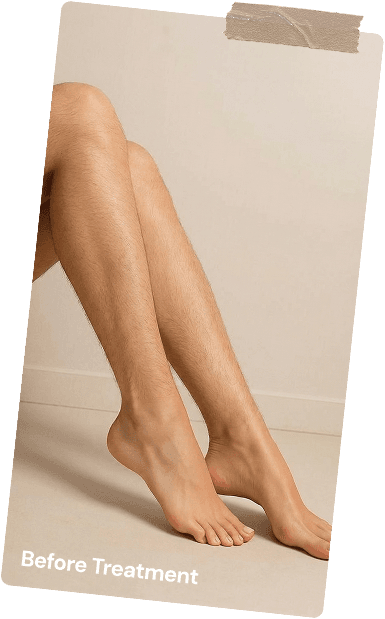
THE HAIR SHEDDING PHASE
Post-Treatment Care: 48 Hours to 2 Weeks
Preparing for Your Next Session
Shaving Only — Always
Shaving is ALWAYS allowed and encouraged between sessions. Never wax, pluck, thread, sugar, epilate, or use depilatory creams. Your next session needs intact follicles with pigmented roots.
Sun Protection Is Essential
Daily SPF 30-50 application even on cloudy days. Reapply every 2 hours during outdoor exposure. A tan acquired between sessions may require postponement of your next treatment.
Gentle Skincare Routine
Use gentle, fragrance-free cleanser and lightweight moisturizer. Gentle exfoliation 1-2x/week helps with ingrown hairs. Retinoids may be used but MUST be discontinued 1-2 weeks before next session.
Monitor Your Progress
Observe hair density reduction, texture changes, and growth rate between sessions. Keep notes or photos to track progress — this helps your provider adjust treatment parameters if needed.
Stick to Your Schedule
Face: every 4-6 weeks. Underarms/bikini: every 6-8 weeks. Legs/arms/back: every 8-12 weeks. Skipping or delaying appointments reduces cumulative effectiveness.
Communicate With Provider
Don’t suffer in silence. If pain is unbearable, speak up. If you’re not seeing results, communicate. Treatment protocols can be modified — but only if your provider knows your experience.
Manage Expectations
After 6-10 sessions: most achieve 70-95% hair reduction. Remaining hair is typically finer, lighter, and slower-growing. FDA approves lasers for “permanent hair reduction,” not 100% elimination.
Combination Treatments
Chemical peels improve texture (schedule BETWEEN laser sessions). Microneedling boosts collagen (wait 2-4 weeks after laser). HydraFacials maintain skin health between sessions.
Managing Side Effects & Complications
Laser hair removal has an excellent safety profile when performed by trained professionals. Most side effects are mild and temporary. Here\u2019s what to watch for:
| Side Effect | Appearance | Duration | Management |
|---|---|---|---|
| Erythema (Redness) | Pink to red discoloration | 24-48 hours (up to 1 week) | Cold compresses, aloe vera, gentle moisturizer |
| Perifollicular Edema | Small raised bumps around follicles | 2-24 hours | Normal response — resolves spontaneously |
| Mild Swelling | Slight puffiness (face, bikini, underarms) | 24-72 hours | Cold compresses, elevation, avoid heat |
| Hair Darkening | Treated hairs appear singed/darker | Until shedding (1-3 weeks) | None needed — evidence of effective treatment |
| Mild Crusting | Small crusts over treated follicles | 5-10 days | Keep clean, moisturized; don’t pick |
| Hyperpigmentation (PIH) | Darkened patches or spots | Weeks to months | Strict sun protection, hydroquinone treatments |
| Ingrown Hairs | Bumps where hair grows into skin | Varies | Gentle exfoliation, warm compresses, salicylic acid |
CONTACT YOUR PROVIDER IMMEDIATELY IF YOU EXPERIENCE:
Serious side effects are rare but require immediate attention
While serious complications are RARE with proper treatment protocols and experienced providers, prompt recognition and treatment prevent progression and minimize long-term effects.
Tailored Protocols for Unique Circumstances
Laser hair removal protocols may need modification based on individual characteristics. Understanding these considerations ensures safe, effective treatment for everyone.
Darker Skin Tones (Fitzpatrick IV-VI)
Higher melanin concentration requires specialized protocols. ND:YAG 1064nm lasers are the GOLD STANDARD for dark skin — safest wavelength with minimal hyperpigmentation risk.
Blonde, Red, Gray, or White Hair
Laser targets melanin in hair. Hair lacking melanin cannot be effectively treated with traditional laser systems. Electrolysis is the gold standard alternative.
Hormonal Conditions (PCOS, Hirsutism)
Women with hormonal conditions benefit significantly from laser but require an integrated approach combining medical management with laser treatment.
Male Patients
Men commonly seek treatment for back, shoulders, chest, neck, and intimate areas. Coarser, denser hair may require higher energy settings and more sessions.
Transgender Patients
Laser hair removal is often essential for gender-affirming care. Seek providers experienced in treating transgender patients who use inclusive language and respect privacy.
Pregnant/Breastfeeding & Adolescents
Postpone laser during pregnancy/breastfeeding due to limited safety research and hormonal changes. Teens require parental consent, post-pubertal maturity, and realistic expectations.
MAXIMIZE YOUR RESULTS
Pro Tips for Maximum Treatment Effectiveness
Follow these evidence-based strategies to get the most out of your laser hair removal investment.
Stick to your treatment schedule. Hair follicles cycle through growth phases and laser is only effective during anagen (active growth). Skipping or delaying appointments allows untreated follicles to cycle out. Schedule your next appointment before leaving each session.
Your provider evaluates hair reduction rate, side effects, shedding patterns, and skin tone changes. Energy, spot size, and pulse duration can all be adjusted. Don’t suffer in silence — treatment protocols can be modified for better comfort and results.

After 6-10 sessions: 70-95% permanent hair reduction. Remaining hair is finer, lighter, slower-growing. The FDA approves lasers for “permanent hair reduction” — not zero hairs forever. Maintenance sessions every 6-24 months are common.
Laser hair removal’s lifetime cost ($11,000-$21,000 over decades) is dramatically less than shaving ($57,600/40yrs) or waxing ($72,000+/40yrs). The ROI in both cost and quality of life is exceptional.
Long-Term Maintenance & Touch-Ups
At 7Q Spa, we customize every lip filler treatment to your unique facial anatomy and aesthetic goals. Whether you want subtle enhancement or dramatic transformation, our expert injectors use advanced techniques to achieve your ideal look.
How to Select a Qualified, Reputable Provider
Medical Professionals
- Board-certified dermatologists
- Board-certified plastic surgeons
- Physician assistants (PA) or nurse practitioners (NP) supervised by physicians
- Licensed registered nurses (RN) with specialized laser training
- Licensed medical aestheticians with laser certification
Facility & Equipment Standards
- FDA-cleared medical-grade lasers for permanent hair reduction
- Adjustable settings for individualized treatment
- Advanced cooling systems for safety and comfort
- Clean, professional treatment rooms with proper sanitation
- Emergency equipment and protocols in place
Comprehensive Consultation
- Detailed medical history review
- Skin type assessment (Fitzpatrick scale)
- Hair color and texture evaluation
- Discussion of realistic expectations and timelines
- Customized treatment plan and transparent pricing
Real experiences. Real transformations.
Loved By Our Clients
 4.6 / 5
"7q Spa has the absolute best customer service and nurses! The front desk staff are always so welcoming and friendly, the waiting area is spotless and has the cutest decor. I've been here a couple of times and my experience is top notch every single time. I highly suggest Nurse Cindy for injections, she takes such good care of me and her skills are unbeatable. 10/10 would recommend"
Linzy I.
Los Angeles, CA
"...Everything happens for a reason & the way I came across 7Q Spa & Cindy just made this all feel right. Called on Mon afternoon & was scheduled right away for Wed afternoon. Went in staff was nice, friendly, and fast...Cindy informed me of everything that could happen & completely calmed my nerves. I am very happy with what I see so far & I will definitely be back."
Katty C.
Palmdale, CA
"It was my first time to have service, I had amazing experience with (sally) she is so nice person I really like her work she did a great job, I did filler to my lips 3 times before in another place but this time the most I loved it, I will come back again for sure"
Adam Z.
South Pasadena, CA
"They make hair removal a luxurious experience. They have private parking for their clients. The space is beautiful and clean. I felt very safe going there despite Covid-19. Their staff were super friendly since my first call to inquire about the process to get laser. I also think their prices are affordable."
Kayla G.
Los Angeles, CA
"This is my spot! I love this place i have been coming here for about a year, and they never let me down with my treatments. I come here for laser hair removal, B12 shot and botox and facials! They have many other services. This is a one stop shop, come here do your laser, botox and get your b12 shot all in one visit. I love this place, worth the long drive."
Nailah S.
Woodland Hills, CA
"First time here and everything went smoothly. Everyone was so nice and location was very clean. My appointment was with Vahe for Botox. He was so informative and nice. I will definitely be back and will recommend my friends to come as well."
Soraya E.
Burbank, CA
"My best friend recommended this place and ever since I've been coming here for Juvederm in my lips and Botox on my forehead. I also started coming here for laser hair removal. The prices are unbeatable and the staff is always on it. I feel relax when I come in and the place is decorated so cute."
Aja M.
Pasadena, CA
YOUR MOST COMMON QUESTIONS ANSWERED
Frequently Asked Questions
Treatment time varies by area size: Small areas (upper lip, underarms): 5-15 minutes. Medium areas (bikini, arms, lower legs): 20-40 minutes. Large areas (full legs, back, chest): 45-90 minutes.
Most patients describe the sensation as a rubber band snap against the skin. Modern lasers have integrated cooling systems that significantly reduce discomfort. Sensitive areas (bikini, underarms) may be more uncomfortable. Pain is brief and tolerable for most patients.
Most patients require 6-10 sessions for optimal results, depending on hair density, color, body area, and hormonal factors. Facial hair often requires more sessions (10-15) due to hormonal stimulation. Maintenance sessions every 6-24 months are common.
Yes! Shaving is always allowed and encouraged. It only removes hair above the skin surface and doesn’t interfere with the follicle — the laser’s target.
Waxing, plucking, threading, or using depilatory creams removes the entire hair follicle, including the root. The laser targets melanin (pigment) in the root. No root = no target = ineffective treatment. Waxing before a laser session essentially wastes that appointment.
Treated hair will shed over 1-3 weeks post-treatment. The area will then remain smooth for several weeks until dormant follicles enter active growth phase. Progressive improvement is seen with each session.
Laser hair removal provides “permanent hair reduction” — a long-term, significant reduction in the number of hairs regrowing after treatment (FDA definition). Most patients achieve 70-95% permanent reduction. Occasional maintenance sessions address any new growth.
Traditional lasers target melanin (pigment) in hair. Blonde, red, gray, or white hair contains minimal melanin, making laser treatment ineffective. Electrolysis is the gold standard for light hair removal.
Yes, when performed by experienced providers using appropriate technology. ND:YAG 1064nm lasers are safest for darker skin tones (Fitzpatrick types IV-VI) because this wavelength minimizes risk of burns and hyperpigmentation.
NO. Tanning increases melanin in the skin, competing with hair follicle melanin for laser energy. This significantly increases burn and hyperpigmentation risk while decreasing effectiveness. Avoid tanning 4-6 weeks before and after treatment.
If you have a history of herpes simplex (cold sores) in the treatment area, laser can trigger an outbreak. Inform your provider — they may prescribe prophylactic antiviral medication (e.g., Valtrex) to prevent outbreaks.
Most providers recommend postponing treatment until after pregnancy and breastfeeding. While no evidence suggests laser is harmful, limited research exists, and hormonal changes affect hair growth patterns, potentially reducing effectiveness.
Laser hair removal is typically considered cosmetic and not covered by insurance. Exceptions exist for medical conditions like pseudofolliculitis barbae, hirsutism, or as part of gender-affirming care for transgender patients. Check with your insurance provider.
Contact your provider immediately. While rare, burns or severe reactions require prompt medical attention. Most reputable providers offer 24/7 emergency contact for post-treatment concerns.
Laser can interact with tattoo ink, potentially causing burns or fading. Providers will avoid laser directly over tattoos, treating around them. Discuss with your provider if your treatment area contains tattoos.
Cost varies by location, provider expertise, technology, and treatment area. General estimates: Small areas (upper lip, underarms): $100-$300/session. Medium areas (bikini, arms): $250-$500/session. Large areas (full legs, back): $400-$900/session. Package pricing reduces per-session cost.
The secret behind Hollywood beauty
Chosen by Stars & Influencers
From social media icons to Hollywood favorites, 7Q Spa is trusted by celebrities who expect nothing less than perfection.


Ready to Begin Your Laser Hair Removal Journey?
The decision to pursue laser hair removal is an investment in time, in finances, and in your confidence and quality of life. Armed with these comprehensive guidelines, you’re equipped to be an informed, proactive participant in your treatment journey. Schedule your complimentary consultation today.
One mission: your beauty.
Two luxury locations
1648 W Glenoaks Blvd #102
Glendale, CA 91201
Monday – Sunday
10:00 AM – 6:00 PM
26540 Agoura Rd Ste 102
Calabasas CA, 91302
Monday – Sunday
10:00 AM – 6:00 PM